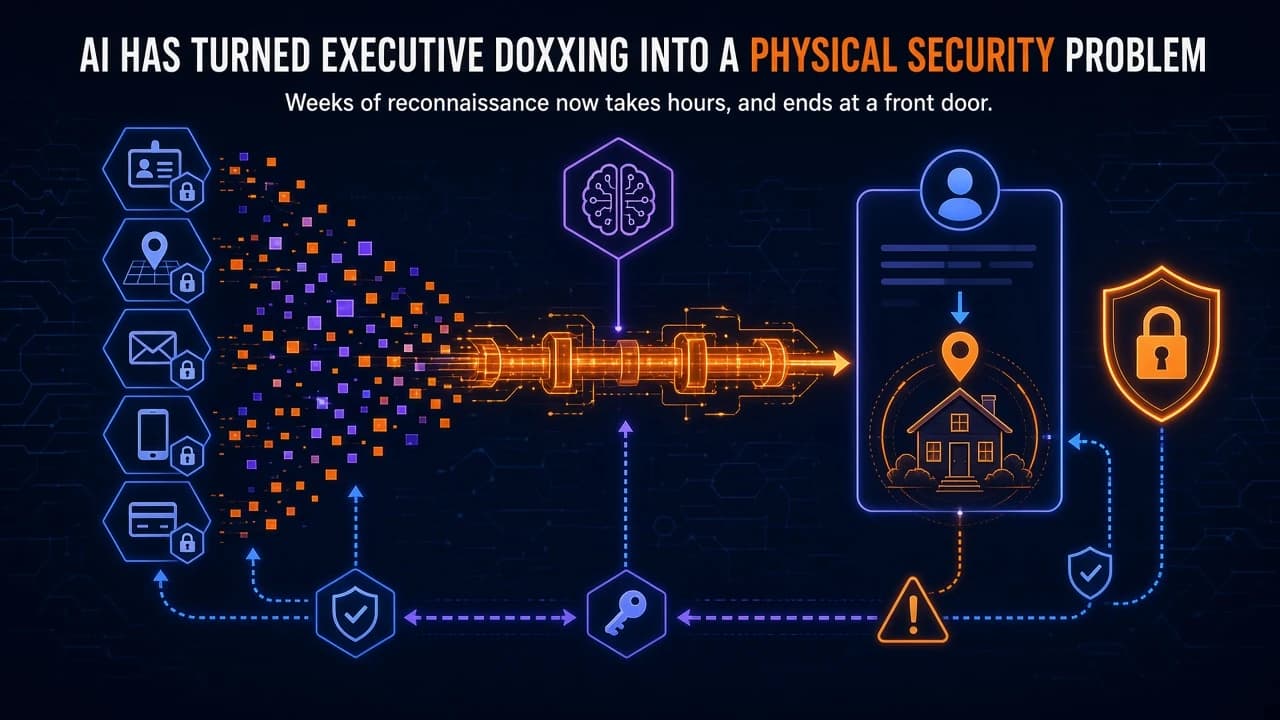

When a hedge fund manager receives threats after a controversial investment decision, the threats don't come from nowhere. When a CEO's home address appears on hostile forums, that information was gathered from somewhere.
The digital footprint that executives leave, often without realizing it, creates the foundation for harassment, threats, and physical security risks. Protecting executives requires understanding and managing this exposure before it becomes a weapon.
The Executive Threat Landscape
Executives face threats that differ from those targeting the general population:
Targeted Harassment
Unlike random spam or scams, executive harassment is often personal and persistent. Activists, disgruntled former employees, angry customers, or ideological opponents may invest significant effort into disrupting an executive's life.
Common patterns:
- Sustained social media campaigns
- Contact attempts through multiple channels
- Harassment extending to family members
- Publication of personal information to hostile communities
Doxxing and Information Exposure
"Doxxing," or publishing private information to facilitate harassment, has become a weapon against public-facing executives.
Information commonly exposed:
- Home addresses (often from property records)
- Phone numbers (from data brokers)
- Family member identities and locations
- Daily routines and travel patterns
- Vehicle information
Physical Security Implications
Digital exposure frequently escalates to physical threats:
- Protesters appearing at private residences
- Stalkers using location information
- Swatting (false emergency calls to trigger armed response)
- Physical confrontations at known locations
Corporate Espionage
Executives are targets for intelligence gathering:
- Social engineering using personal information
- Compromised personal devices providing access to corporate information
- Relationship mapping for targeted attacks
We've investigated cases where executives received credible death threats that included their home address, children's school locations, and daily commute routes. All of this was gathered from publicly available sources. The information existed because no one thought to remove it.
Your Digital Footprint: What Adversaries Can Find
Most executives significantly underestimate how much information about them is publicly accessible. A determined adversary can typically discover:
Property and Address Information
County assessor records are public in most jurisdictions. They reveal:
- Current and previous addresses
- Property values
- Co-owners (often revealing family relationships)
Data Broker Holdings
Hundreds of data brokers compile and sell personal information. A single search can reveal:
- Current and previous addresses
- Phone numbers
- Email addresses
- Relatives and associates
- Estimated income
- Political affiliations
Social Media Intelligence
Even "private" social media accounts leak information through:
- Friend and follower connections
- Check-ins and location data
- Photos with metadata
- Comments on others' public posts
Public Records
Various public records contain executive information:
- Business filings and corporate registrations
- Court records (including divorce proceedings)
- Political donations
- Professional licenses
Media and Public Appearances
Executive visibility creates exposure:
- Conference speaker bios with personal details
- Interview content revealing interests and routines
- Company website bios and headshots
Data Broker Opt-Out Strategies
Data brokers are the primary source of executive information for bad actors. Addressing this exposure is essential but challenging.
Understanding the Data Broker Ecosystem
There are hundreds of data brokers operating in the United States alone. They gather information from:
- Public records
- Consumer transactions
- Social media scraping
- Other data brokers (information is shared and resold)
Manual Opt-Out Approach
Most data brokers offer opt-out processes, but:
- Each broker requires a separate opt-out
- Processes vary from simple forms to requiring identification documents
- Opt-outs often need to be renewed periodically
- New data may repopulate records
High-priority data brokers to address:
- Spokeo
- Whitepages
- BeenVerified
- Radaris
- MyLife
- Intelius
- PeopleFinder
- FastPeopleSearch
Automated Removal Services
Services exist that automate the opt-out process:
- Continuous monitoring for new listings
- Automated submission of opt-out requests
- Reporting on removal status
Considerations:
- Services typically cost $100-300 per year per person
- Coverage varies (no service covers all brokers)
- Some information may be resistant to removal
- Family members should be included
Legal Approaches
In some cases, legal action may be appropriate:
- Cease and desist letters to persistent listers
- Requests under state privacy laws (California, Virginia, etc.)
- Takedown requests for harassment-related publications
Separating Public and Private Digital Identity
Executives need public presence for business purposes. The goal is separating this public identity from private personal information.
Address Separation
Strategies:
- Use corporate address for all public filings where possible
- Consider LLC ownership of property to obscure records
- Use registered agent services for business filings
- Maintain separate address for mail and deliveries
Communication Channel Separation
Strategies:
- Dedicated phone number for public use (Google Voice or similar)
- Separate email for public-facing communications
- Never use personal phone or email for business registrations
Social Media Strategy
For executives who need social media presence:
- Maintain professional accounts with carefully curated content
- Never reveal location, routines, or family information
- Disable location services and metadata on photos
- Regularly audit followers and connections
For executives who don't need social media presence:
- Delete or lock all personal accounts
- Monitor for impersonation accounts
- Consider placeholder accounts to prevent impersonation
Online Account Hygiene
Review all online accounts for exposure:
- What personal information do profiles contain?
- What username patterns could link accounts?
- What recovery information could be exploited?
Protecting Family Members
Executive threats often extend to family members who may have less awareness of digital security:
Spouse/Partner Protection
- Include in data broker removal programs
- Review social media privacy settings
- Remove property ownership from public view where possible
- Establish family communication protocols for suspicious contacts
Children's Protection
- Audit school and activity organization privacy practices
- Review social media presence (older children)
- Educate on not sharing location or routine information
- Consider using family name variations for enrollments
Extended Family Considerations
- Data brokers often link family members
- Extended family social media can reveal relationships
- Consider proactive communication about security practices
When Threats Materialize: Response Planning
Despite best efforts, threats may materialize. Preparation enables effective response:
Monitoring and Detection
Implement ongoing monitoring for:
- Mentions of executive name on social media and forums
- Appearance of personal information on paste sites or hostile platforms
- Unusual access attempts on personal accounts
Escalation Framework
Define clear criteria for escalation:
- What constitutes a threat requiring security response?
- When does law enforcement need to be involved?
- What triggers enhanced physical security?
Documentation
Maintain records of:
- All threats received
- Evidence of harassment campaigns
- Chronology of events
- Communications with law enforcement
Response Resources
Establish relationships before they're needed:
- Local law enforcement contacts
- Legal counsel familiar with harassment and threat situations
- Security consultants for threat assessment
- PR/communications support for public situations
The best time to establish a relationship with law enforcement is before you need them. Proactive engagement (explaining your role, the threat landscape you face, and how you'll provide information if threats occur) leads to better response when incidents happen.
Building an Executive Protection Program
For organizations with executives facing elevated risk:
Risk Assessment
Conduct formal assessment of:
- Executive public profile and exposure
- Nature of business (controversial industries, public-facing decisions)
- Historical threats and incidents
- Geographic and travel considerations
Baseline Protections
Implement foundational controls:
- Digital footprint analysis and reduction
- Data broker removal for executives and families
- Social media monitoring
- Secure communication channels
Enhanced Protections (Based on Risk)
Add based on assessed risk level:
- Physical security assessments
- Travel security protocols
- Security driver services
- Executive security awareness training
Ongoing Program
Executive protection is not a one-time project:
- Continuous monitoring for new exposure
- Regular data broker re-verification
- Threat landscape updates
- Program reviews following incidents
Taking Action
If you're an executive (or responsible for executive security):
This week:
- Search your name on major data broker sites
- Review your social media privacy settings
- Audit what your public profiles reveal
This month:
- Begin data broker opt-out process (or engage a service)
- Implement address and phone number separation
- Review family member exposure
This quarter:
- Complete data broker cleanup
- Establish threat monitoring
- Document response procedures
Ongoing:
- Monthly verification of data broker removal
- Continuous monitoring for threats
- Annual program review
The goal isn't paranoia. It's ensuring that the information available about you is intentional and controlled, not accidental and exploitable.
Related Service
Learn more about how we can help with Executive Protection.
Explore Executive Protection Services →